The digital world changes fast, and businesses are always looking for smarter ways to manage how they show up online. Old ways of building websites are starting to have trouble as companies grow their sites, apps, shops and other online channels. To meet these growing needs, Headless CMS in 2027 is becoming a trend for modern businesses. It provides a way to handle content by keeping the behind‑the‑scenes content system separate from the front‑end part that users see.
A Headless CMS lets businesses create, manage and share content on digital platforms without needing a single website design. This gives developers freedom to build custom digital experiences while keeping content the same in all places. With demand for fast sites, personal touches for users and big digital solutions, more companies are looking at Headless CMS development.
Headless CMS also helps keep the content in one place so teams do not have to repeat work. It keeps content organised and easy to use.
What Is Headless CMS? How Does It Work in Modern Web Development?
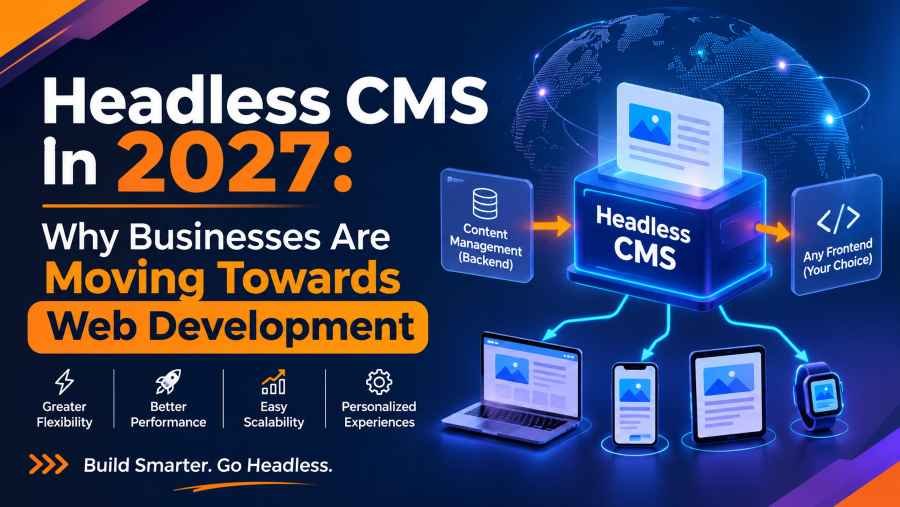
A Headless Content Management System is a kind of system that separates the back‑end, where content is made and stored, from the front‑end, where people see and use that content. Unlike CMS platforms that mix content management with website design, a Headless CMS sends content through APIs like REST or GraphQL. Developers can then use that content to build websites, apps, online stores and other digital experiences in the tools they like.
For example, a company can write a product description, blog post or service page inside its Headless CMS. Send the same information to its website and mobile app. Instead of having separate content for every platform, the company keeps one central content store. This cuts down on work and makes managing content cleaner.
The way a Headless CMS usually works has three parts: creating content, delivering it through APIs and building the front‑end. Content creators use the CMS dashboard while developers link the system to front‑ends using APIs. The front‑end decides how the site looks, moves and behaves.
Modern front‑end tools such as React, Next.js, Vue.js and Angular can be used to make custom experiences. This freedom lets businesses build sites that match their brand, speed and customer needs.
In 2027, Headless CMS architecture is especially useful for groups that want to grow their platforms. It supports web practices and lets businesses add new digital channels without rebuilding their content system.
Why Businesses Are Moving Towards Headless CMS Development in 2027
One of the reasons businesses are choosing Headless CMS development is flexibility. Customers talk to brands in digital places: websites, apps, tablets, online shops and other smart devices. Old CMSs may need tweaks to serve each platform. A Headless CMS makes it easier to share content by letting many front‑ends pull from the central source through APIs.
Another big. Is faster website performance. Developers can tune the front‑end with frameworks, caching tricks, content delivery networks and server‑side rendering. These methods can speed up loading, navigation and the overall experience. Still, real speed depends on how the system is built, where it is hosted and how it is optimised.
Headless CMS also gives developers options. Companies are not stuck with one front‑end tool or ready‑made templates. Developers can build layouts, interactive parts and advanced features that fit exact business needs. This is useful for firms that want custom experiences.
Growth is another reason for the rising interest in Headless architecture. As a business grows, its digital needs grow too. They might need site sections, fresh apps, many language versions or complex shop functions. A Headless CMS lets developers grow the front‑end separately while still using the content base.
Security is also a concern. Keeping the front‑end apart from the CMS back‑end can lower the risk of exposing the content system. Companies can use API authentication, access rules, secure hosting and other safety steps to protect their parts. But a Headless design does not automatically make everything safe; good coding and upkeep are still vital.
Separating the front‑end from the CMS back‑end reduces how much the content system is exposed. Companies can add layers of protection to shield data and user info. Still, the system must be built carefully. It must be kept up to date.
However, headless architecture does not automatically guarantee security; proper coding and maintenance are still essential.
From an SEO point of view, headless CMS can help with search engine optimisation if it is set up correctly. Developers can control URL patterns, metadata, canonical tags, structured data, mobile friendliness and how pages load. Server‑side rendering and static site generation also let search engines read site content faster. Businesses need to make sure key content shows up in HTML and that all technical SEO settings are right.
Also, headless CMS lets you personalise content and link with services. You can attach analytics tools, CRM systems, marketing automation and e‑commerce platforms to make digital experiences more connected.
These benefits make headless CMS a good choice for growing companies, digital brands, online stores and groups that want long‑term change.
Future of Headless CMS in 2027: Trends, Opportunities and Business Applications
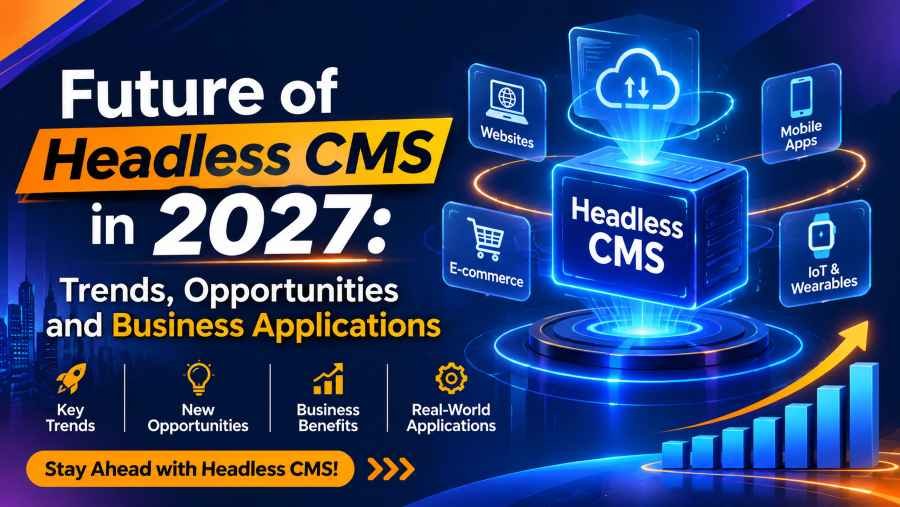
The future of CMS work in 2027 will be shaped by AI, automation, API‑based design and the growing need for all‑channel digital experiences. Companies want content systems that can adjust to customer needs and help them build sites faster and innovate digitally.
AI is set to become more important in managing content. AI tools can generate ideas, suggest edits based on data, translate and measure how audiences engage. When used with CMS, these tools make the content process smoother and let marketing teams handle more digital material.
Another trend is the rise of architecture. Rather than one big software company, they link specialised services for content, e‑commerce, search, analytics and customer experience. Headless CMS can serve as the core content layer, letting different tools talk via APIs.
E‑commerce is another field where headless CMS brings opportunities. Online shops can handle product descriptions, promos, landing pages and brand details from one place. Developers can build storefronts that give shoppers a tailored experience on desktop and mobile.
Headless CMS helps companies with sites or global audiences. They can reuse content, adjust versions and keep brand messages the same in all markets. This makes content work easier. Aids growth.
Using headless CMS has some hurdles. Early costs can be higher because the front end is built separately. Marketing teams may need tools for visual editing, previews and page control. Companies should check their tech resources, content processes, integration needs and long‑term goals before choosing a design.
Picking the developer is also key. A seasoned web development firm can guide companies on technology choices, build design, link APIs, improve site speed and set up technical SEO.
At Nextr Technology, companies can look at website building, custom web work, software design and digital marketing to boost their online presence. With a development plan, firms can create adaptable sites that meet changing market needs and support long‑term growth.
Conclusion
Headless CMS in 2027 is a move toward more flexible, scalable and API‑based web building. By keeping content management from the front end, companies can make custom digital experiences, share content on many platforms and use modern tools. The gains are better build flexibility, reusable content, growth ability and more control over site speed and SEO.
headless CMS might not fit every firm. It gives good chances for groups with many digital channels or who plan long‑term tech growth. Those who invest in the CMS design and expert web development can create stronger online platforms and stay ready for future tech shifts.
Frequently Asked Questions (FAQs)
1. What is a Headless CMS in web development?
A headless CMS is a system that keeps the backend content storage away from the front‑end display. It sends content via APIs so developers can show it on sites, mobile apps and other digital places.
2. What are the main benefits of CMS?
The main gains are flexibility, one spot for content control, API delivery, reusable content, scalability, and the ability to boost site speed.
3. Is CMS better than a traditional CMS?
A headless CMS helps businesses that want custom front‑end experiences and want to share content on platforms. Traditional CMS platforms are better for sites that only need basic content management and built‑in visual editing. The best choice depends on what the business needs.
4. Is CMS good for SEO in 2027?
Yes, headless CMS can help SEO because it lets you set custom metadata use data create clean URLs design for mobile and choose how pages are rendered.. You still need correct technical SEO to get good visibility in search engines.
5. Why should businesses invest in CMS development in 2027?
Businesses can invest in CMS development to build websites that grow easily, keep content in sync across many platforms, add new technologies and give users personalised digital experiences. This is especially helpful for companies that are getting bigger and need digital tools.
Thank you for reading
Buy Web Hosting at an affordable price: Buy Now.
If you want to build your website at an affordable price, contact www.nextr.in
Read this: How AI is Changing Education