Technology Innovations Driving Digital Change
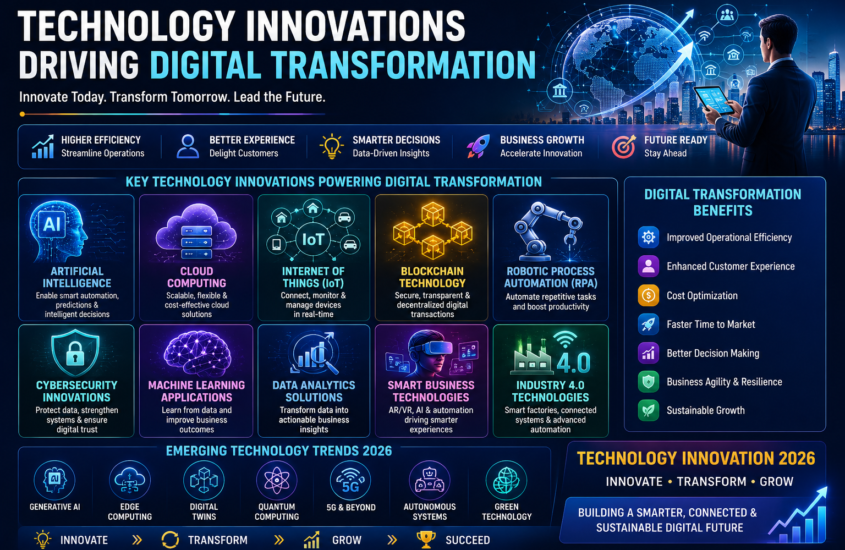
Digital Technology Innovations change has become very important for businesses that want to stay competitive in a world where technology is advancing rapidly. Many companies are using technologies to work more efficiently, make customers happier, improve operations and find new ways to make money. Technologies like Artificial Intelligence, cloud computing, Internet of Things and blockchain are changing how businesses work and provide value.
As we move into 2026 digital change is not an option it is a must. Businesses that use technologies well are better at adapting to changes in the market and meeting the changing needs of customers.
What Is Digital Change?
Digital change is about using technologies in all parts of a business to change how it operates and provides value to customers. This involves using tools, processes and strategies to improve business performance and create sustainable growth.
Digital change affects areas, including:
* Customer engagement
* Business operations
* Product development
* Supply chain management
* Data analytics
* Workforce productivity
* Decision-making processes
The goal is to make a business more agile, efficient and focused on customers.
Why Digital Change Matters
Customers today expect to have digital experiences, instant access to services and personalised interactions. Businesses that do not adapt risk losing market share to competitors who’re more advanced technologically.
The main benefits of change include:
* Improved operational efficiency
* Better customer experiences
* Enhanced decision-making with data
* Increased business agility
* Reduced operational costs
* Stronger competitive advantage
* Faster innovation cycles
Technology innovations are driving these outcomes.
Key Technology Innovations Driving Digital Change
1. Artificial Intelligence
Artificial Intelligence continues to be one of the influential technologies driving digital change.
Artificial Intelligence enables machines to simulate intelligence, learn from data, recognise patterns and make decisions with minimal human intervention.
**Business Applications**
* Customer service chatbots
* analytics
* Fraud detection
* Personalised recommendations
* Automated workflows
* Virtual assistants
**Benefits**
* Increased productivity
* Faster decision-making
* Improved customer satisfaction
* Human error
* Cost savings
Businesses that implement Artificial Intelligence solutions can automate repetitive tasks and allow employees to focus on strategic activities.
2. Machine Learning
Machine Learning is a subset of Artificial Intelligence that enables systems to learn and improve from experience without programming.
**Applications**
* Demand forecasting
* Risk analysis
* Customer segmentation
* Recommendation engines
* Predictive maintenance
**Impact on Digital Change**
Machine Learning helps businesses uncover insights from large datasets, enabling smarter business decisions and more accurate forecasting.
Industries like healthcare, finance, retail and manufacturing are heavily investing in Machine Learning technologies.
3. Cloud Computing
Cloud computing has become the foundation of change strategies worldwide.
By relying on traditional on-premises infrastructure, businesses use cloud platforms to store data, run applications and scale operations efficiently.
**Popular Cloud Platforms**
* Amazon Web Services
* Microsoft Azure
* Google Cloud Platform
**Benefits**
* Scalability
* Flexibility
* Reduced infrastructure costs
* Collaboration
* Business continuity
Cloud technology enables businesses to innovate rapidly while minimising capital expenditures.
4. Internet of Things
The Internet of Things connects devices to the internet, allowing them to collect and exchange data in real time.
**Examples**
* homes
* Industrial sensors
* Connected vehicles
* Wearable devices
* Smart healthcare systems
**Digital Change Benefits**
* Real-time monitoring
* Predictive maintenance
* Improved operational efficiency
* Enhanced customer experiences
Businesses can use Internet of Things data to optimise processes and make decisions.
5. Big Data and Advanced Analytics
Businesses generate volumes of data every day. Big Data technologies help businesses process, analyse and extract insights from this information.
**Applications**
* Market analysis
* Customer behaviour tracking
* optimization
* Business intelligence
* Performance measurement
**Benefits**
* Strategic planning
* Increased profitability
* Improved customer targeting
* Data-driven innovation
Advanced analytics allows businesses to transform raw data into actionable insights.
6. Blockchain Technology
Blockchain technology provides a decentralised method of recording transactions and sharing information.
While initially associated with cryptocurrencies, blockchain is now transforming industries.
**Use Cases**
* Supply chain management
* transactions
* Healthcare records
* Digital identity verification
* contracts
**Advantages**
* Enhanced transparency
* Improved security
* Reduced fraud
* Greater trust
Blockchain is becoming a tool for businesses seeking secure digital ecosystems.
7. Robotic Process Automation
Robotic Process Automation uses software bots to automate rule-based tasks.
**Tasks Commonly Automated**
* Data entry
* Invoice processing
* Payroll management
* Customer onboarding
* Report generation
**Benefits**
* Increased productivity
* Reduced operational costs
* Improved accuracy
* Faster processing times
Robotic Process Automation helps businesses streamline operations and improve workforce efficiency.
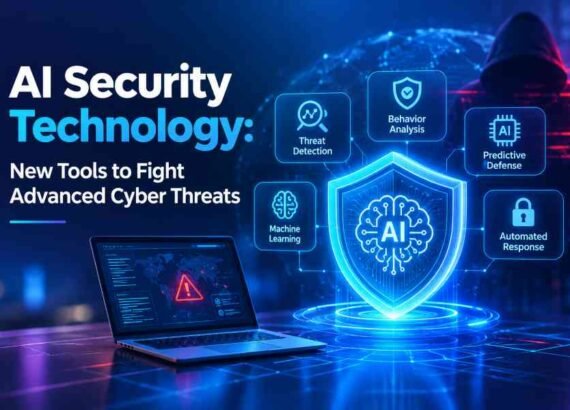
8. Cybersecurity Innovations
As businesses become increasingly digital, cybersecurity has become a component of transformation strategies.
**Emerging Cybersecurity Technologies**
* AI-powered threat detection
* Zero Trust Security
* analytics
* Cloud security solutions
* Multi-factor authentication
**Benefits**
* Data protection
* Risk reduction
* compliance
* Customer trust
Strong cybersecurity frameworks ensure digital change initiatives remain secure and sustainable.
9. Augmented Reality and Virtual Reality
Augmented Reality and Virtual Reality technologies are creating immersive digital experiences across industries.
**Applications**
* Employee training
* Product demonstrations
* Healthcare simulations
* Retail experiences
* Remote collaboration
**Impact**
These technologies enhance engagement, improve learning outcomes and create customer experiences.
10. Edge Computing
Edge computing processes data closer to where it’s generated rather than relying entirely on centralised cloud servers.
**Benefits**
* Reduced latency
* Faster processing
* performance
* Enhanced Internet of Things functionality
Industries like manufacturing, healthcare and transportation are increasingly adopting edge computing to support real-time operations.
Industry-Wise Impact of Digital Change
Healthcare
Technology innovations are improving care through:
* Telemedicine
* AI diagnostics
* Electronic health records
* Wearable health devices
Finance
Financial institutions leverage technology for:
* Fraud detection
* Digital banking
* Automated trading
* Financial services
Retail
Retail businesses use digital change to:
* Enhance online shopping
* Improve inventory management
* Deliver personalised marketing
Manufacturing
Manufacturers benefit from:
* Smart factories
* Predictive maintenance
* Robotics automation
* Real-time monitoring
Education
Educational institutions utilise technology for:
* learning
* Virtual classrooms
* Personalised learning experiences
Challenges in Digital Change
Despite its advantages, digital change presents several challenges.
**Common Obstacles**
* Resistance to change
* Cybersecurity risks
* Legacy systems
* Skill shortages
* Budget constraints
* Data privacy concerns
Businesses must develop strategies to overcome these barriers and maximise technology investments.
Best Practices for Successful Digital Change
* Develop a Clear Strategy
Define goals and align technology initiatives with business objectives.
* Invest in Employee Training
Upskilling employees ensures adoption of new technologies.
* Focus on Customer Experience
Customer transformation initiatives often generate the greatest returns.
* Strengthen Cybersecurity
Protecting digital assets should remain a priority.
* Embrace Continuous Innovation
Digital change is a journey rather than a one-time project.
The Future of Digital Change
Emerging technologies will continue to reshape business operations over the coming years.
**Future Trends**
* Generative AI adoption
* Autonomous systems
* Advanced robotics
* Quantum computing
* Hyperautomation
* Digital twins
* Sustainable technology solutions
Businesses that proactively embrace innovation will gain competitive advantages in the digital economy.
Conclusion
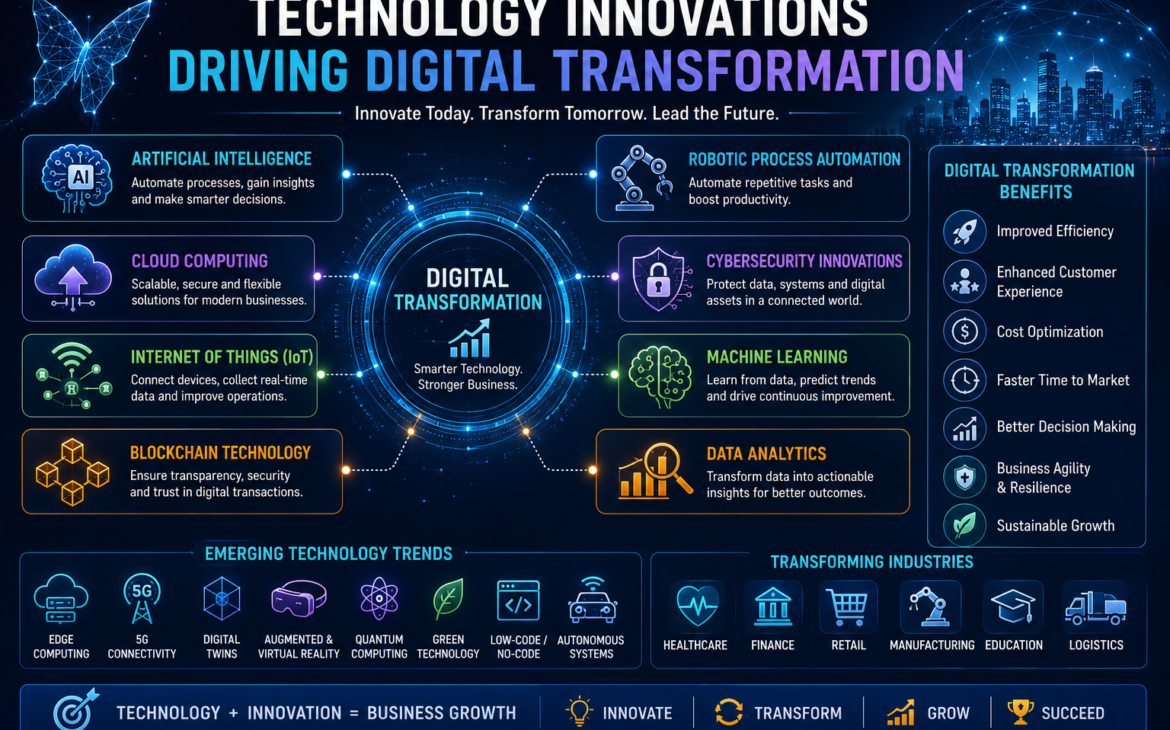
Technology innovations are driving levels of digital change across industries worldwide. Artificial Intelligence, Machine Learning, Cloud Computing, Internet of Things, Blockchain, Cybersecurity and Automation are enabling businesses to improve efficiency, enhance customer experiences and unlock growth opportunities.
As businesses navigate a digital future, investing in emerging technologies and fostering a culture of innovation will be essential for long-term success. Companies that embrace change today will be better equipped to adapt, compete and thrive in the rapidly evolving global marketplace.
Frequently Asked Questions
1. What has changed?
Digital change is the integration of technologies into business processes to improve operations, customer experiences and overall performance.
2. Which technology is driving change the most?
Artificial Intelligence, cloud computing and data analytics are among the leading technologies driving digital change globally.
3. How does cloud computing support change?
Cloud computing provides scalable infrastructure, flexibility, cost efficiency and faster deployment of digital services.
4. Why is cybersecurity important in change?
Cybersecurity protects data, ensures compliance and helps businesses maintain customer trust while adopting digital technologies.
5. What industries benefit most from change?
Healthcare, finance, retail, manufacturing, logistics, education and telecommunications are among the industries experiencing benefits.
Thank you for reading
Buy Web Hosting at an affordable price: Buy Now.
If you want to build your website at an affordable price, contact www.nextr.in
Read this: How AI is Changing Education