Essential Features of a Successful E-Commerce Website

In today’s rapidly evolving digital marketplace, having an e-commerce website isn’t just a nice-to-have — it’s essential. But just setting up an online store won’t cut it. To attract customers, increase conversions, and foster lasting brand loyalty, your e-commerce site needs to be built with the right features and a solid strategy.
From effortless navigation to secure payment options and reliable support, every aspect is vital to your store’s success. Let’s dive into the five key pillars that make an e-commerce website not just effective, but also profitable and ready for the future.
User-Friendly E-Commerce Website with Smooth Navigation and Checkout
The user experience is the backbone of any thriving online store. If visitors find your website confusing or hard to navigate, they’ll likely bounce within seconds — often heading straight to a competitor.
A user-friendly e-commerce website makes it easy for visitors to locate what they need. Clear categories, smart search filters, intuitive menus, and well-structured product pages guide users effortlessly through their shopping journey.
The checkout process is just as crucial. A complicated or lengthy checkout can lead to abandoned carts. A streamlined checkout experience with fewer steps, guest checkout options, auto-filled forms, and transparent pricing builds trust and minimises friction.
When customers enjoy browsing and purchasing from your store, they’re much more likely to return and recommend your site to others.
Custom and Scalable Online Store Development
Every business has its own unique flavour, and your e-commerce website should truly embody your brand’s identity, aspirations, and your customers’ needs. Opting for custom development means your online store can shine, rather than blend in with the countless generic templates many others use.
A custom-built store offers the flexibility you need in design, features, and functionality. Whether you’re looking for product customisation tools, advanced filtering options, subscription services, or specialised pricing systems, tailored development makes it all possible.
Scalability is equally crucial. As your business expands, your website should effortlessly accommodate increased traffic, a growing product catalogue, and more transactions. A scalable e-commerce platform is designed to support your long-term growth without the hassle of a complete overhaul.
This forward-thinking approach not only saves you time and money but also ensures that your online store can evolve alongside your business.

Secure Payment Gateway Integration
Trust is paramount in the world of online shopping. Customers often share sensitive information, such as credit card details and personal data, when making a purchase. If your website doesn’t exude security, they’re likely to abandon their cart.
Integrating a secure payment gateway safeguards customer data through encryption and strong authentication. It guarantees safe, seamless transactions across various payment options, including credit and debit cards, net banking, UPI, and digital wallets.
By displaying trusted payment badges and SSL certification, you can further reassure visitors that their information is secure. Plus, a dependable payment system minimises transaction failures and enhances the overall customer experience.
Security isn’t just an added bonus — it’s a fundamental requirement for building trust and nurturing long-lasting customer relationships.
Mobile-Responsive and SEO-Friendly Design
Did you know that over half of online shoppers browse and buy directly from their smartphones? If your e-commerce site isn’t mobile-friendly, you could be missing out on a significant number of potential customers.
A mobile-responsive design makes sure your website looks great and works seamlessly on all devices—whether it’s a smartphone, tablet, or desktop. Images adjust perfectly, buttons are easy to click, and navigation remains smooth across screen sizes.
On top of that, search engine optimisation (SEO) is key to helping customers discover your store online. An SEO-friendly e-commerce site features fast loading times, clean URLs, well-optimised product descriptions, image alt tags, and appropriate meta titles and descriptions.
When your website is both mobile-responsive and SEO-optimised, you’re not just enhancing the user experience; you’re also boosting your visibility on search engines, which can lead to more organic traffic flowing into your store.
Ongoing Support and Maintenance After Launch
Launching your e-commerce website is just the first step. Keeping it running smoothly requires regular updates, security checks, and performance monitoring.
Having ongoing support means that any technical hiccups can be addressed quickly, reducing downtime and preventing potential revenue loss. This support also includes updating plugins, fixing bugs, improving performance, and adding new features as your business grows.
Maintenance is crucial for protecting your website from security threats and ensuring it stays compatible with the latest devices and browser updates. Regular backups are essential for safeguarding your data and enabling quick recovery in emergencies.
With ongoing support, your e-commerce website will remain secure, up to date, and ready to provide a seamless shopping experience at all times.
FAQs – E-Commerce Website Development
1. Why is user-friendly design important for an e-commerce website?
A user-friendly design makes it easy for customers to browse products, find the information they need, and complete their purchases without any hassle. This not only helps keep visitors on your site but also boosts sales.
2. What does scalable e-commerce development mean?
Scalable development means your website can grow alongside your business, accommodating more products, users, and transactions without performance hiccups.
3. How do secure payment gateways protect customers?
They utilise encryption and authentication technologies to safeguard financial and personal information during online transactions, ensuring a safe shopping experience.
4. Does mobile responsiveness affect sales?
Absolutely! A mobile-friendly website enhances the user experience for smartphone shoppers, leading to increased engagement and improved conversion rates.
5. Why is ongoing website maintenance necessary?
Regular maintenance is crucial for keeping your website secure, up to date, fast, and free of technical glitches that could disrupt the customer experience.
Conclusion
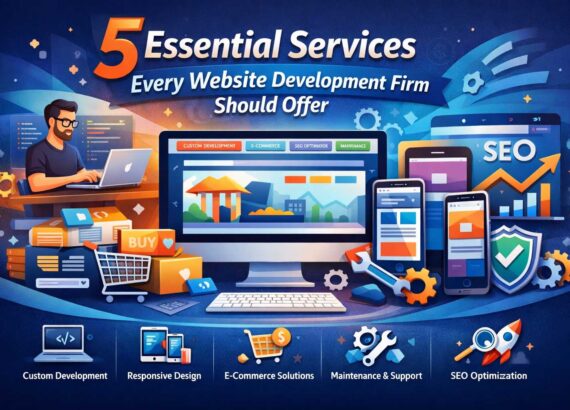
A successful e-commerce website is more than just an online catalogue — it’s a complete digital shopping experience. Smooth navigation, customizable scalability, secure payment options, mobile responsiveness, SEO optimization, and continuous support all come together to build trust and drive conversions.
When these five elements are effectively integrated, your online store transforms into a powerful asset for business growth, customer loyalty, and long-term success in the competitive e-commerce arena.
By investing in the right e-commerce development strategy today, you’re setting your business up to meet the digital demands of tomorrow.
Thank you for reading 🙂
Buy Web Hosting at an affordable price: Buy Now.
If you want to build your website at an affordable price, contact www.nextr.in
Read this: How AI is Changing Education