If you run a business in London, professional web development is not optional — it’s essential. A well-built website converts visitors into customers, supports local SEO, and positions your brand as credible in a crowded market. In this guide, I’ll explain practical web development steps that matter for London companies, what to expect from developers, and how to pick tools and partners that deliver measurable results.
What is web development — a short, practical definition
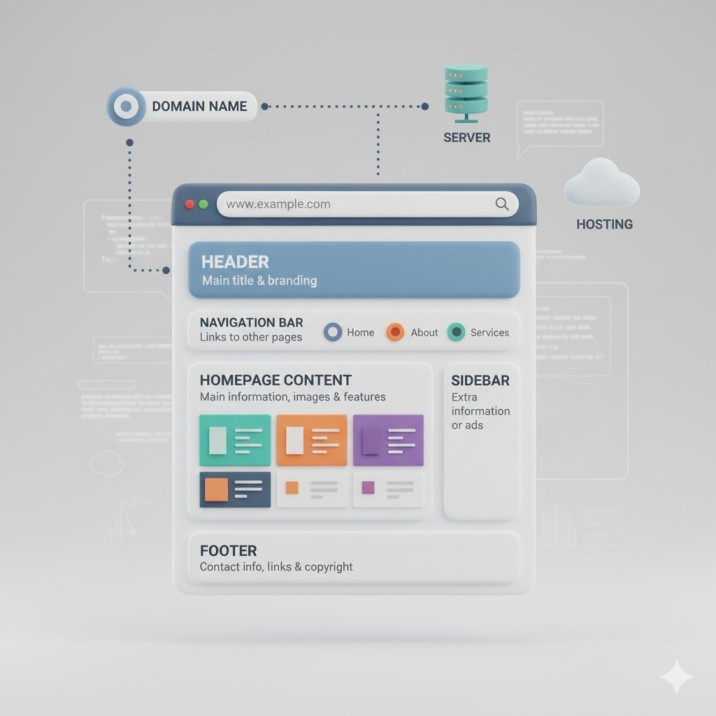
At its core, web development is the craft of creating websites and web applications: planning structure, writing code, connecting databases, and making content accessible and secure. For most London businesses, this means:
- A fast, mobile-friendly website
- Clear navigation and conversion paths
- Reliable hosting and security
- SEO-friendly code and content
Good web development blends visual design, technical performance, and search optimisation so your site attracts visitors and converts them.
Why London businesses should invest in professional web development
Local customers expect speed, security, and clarity. When you invest in professional web development, you get:
- Better local search visibility for queries such as “web development London” and “website development London”
- Faster page loads (improves rankings and reduces bounce)
- Robust security and GDPR-compliant data handling
- Scalable code that supports marketing campaigns and eCommerce growth
Real example: a London retailer I worked with increased organic traffic by 42% after rebuilding product pages with a developer who optimised structure, schema and images.
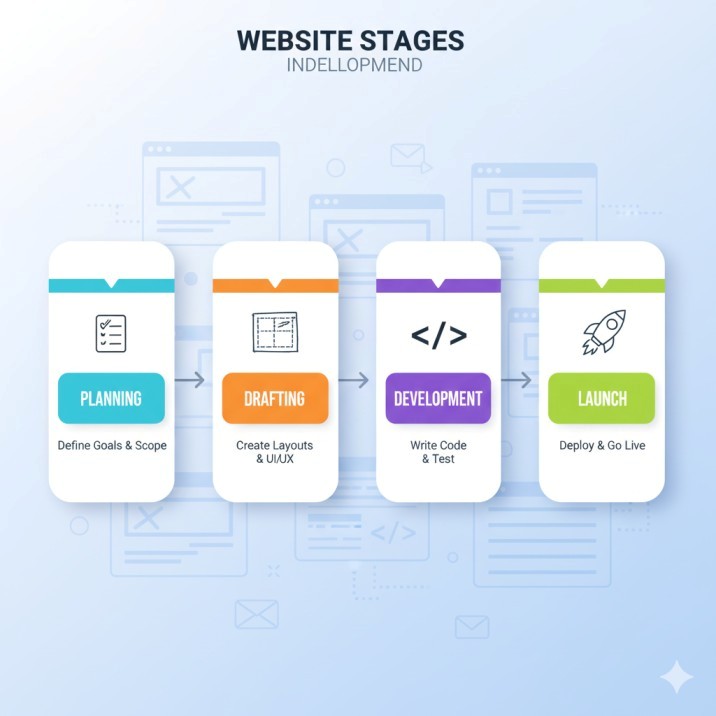
Web development process — the four phases every London project should follow
A clear, repeatable process reduces surprises. Here’s a concise roadmap for effective web development:
1. Discovery & strategy
Define goals: lead generation, sales, and brand awareness. Audit competitors and local search intent (e.g., “website development London agency”). Create an information architecture and target keyword map.
2. Design & prototyping
Wireframes and prototypes show layout and user flow before code begins. This stage proves conversion paths and mobile usability.
3. Build & QA
Develop front-end (HTML, CSS, JavaScript) and back-end (Node.js, PHP, Python) with attention to semantic markup and accessibility. Conduct cross-browser and performance testing.
4. Launch & continuous improvement
Deploy to secure hosting, set up monitoring, and run A/B tests. Post-launch support and SEO tuning turn a site into a business asset.
Types of web development services — choose what fits your London business
- Custom website development — full control, unique user journeys.
- Ecommerce development — product catalogues, payment gateways and checkout UX.
- CMS-driven sites — WordPress, Shopify, Webflow — great for content teams.
- Web applications — dashboards, portals, booking systems built for scale.
- Maintenance & security — updates, patching and backups to prevent downtime.
Technologies & tools commonly used by modern web developers
Top stacks and tools used for agile web development work well for London businesses:
- Frontend: HTML5, CSS3, JavaScript, React, Vue
- Backend: Node.js, PHP (Laravel), Python (Django)
- Databases: MySQL, PostgreSQL, MongoDB
- Dev tools: Git, Docker, CI/CD pipelines
- Hosting & infra: AWS, DigitalOcean, managed WordPress hosts
Choosing the right stack depends on project scope, budget, and the capability to maintain the site long term.
SEO & web development — how they must work together
Search engine success starts with technical foundations built during development:
- Clean semantic HTML and heading structure (H1 → H2 → ).
- Fast Core Web Vitals and mobile readiness.
- Proper schema markup (Product, FAQ, LocalBusiness).
- Logical URL structure and breadcrumb navigation.
If you want to appear for local queries in London, combine on-page SEO with local citation work and targeted content about your services in the London boroughs.
Quick checklist — launch-ready web development for London companies
- Mobile-first design tested on major devices
- Page speed under 3 seconds on 4G (use Lighthouse)
- SSL/TLS certificate + secure headers
- GDPR-compliant forms and cookies setup
- Schema for FAQ, LocalBusiness and Organisation
- 301 redirect map if migrating content
Case study — London legal firm (brief)
Challenge: outdated site, low leads.
Solution: redesign + rebuild with a focus on service pages, local schema and optimised content.
Result: 60% increase in enquiries and first-page rankings for 5 local terms within 4 months.
Ready to build or upgrade your London website?
If you’re targeting customers across London — from the City to Shoreditch and beyond — the right web development partner makes all the difference. At Nextr Technology, we build responsive, SEO-savvy websites tailored to local search and conversion.
FAQs — quick answers for London businesses (snippet-ready)
Q: What is web development?
A: Web development is creating websites and web apps — from planning and coding to testing and launching.
Q: How long to build a local business site?
A: Typically 3–6 weeks for a small to medium site; more for complex functionality.
Q: Will my website be SEO-friendly?
A: Yes — good web development integrates SEO best practices into code, structure, and performance.
Q: Do you handle hosting and maintenance?
A: Yes. Ongoing support packages keep your site secure and up to date.
Lead Web Development Strategist (Nextr Technology)
I’m Avan, founder at Nextr Technology. Over 15+ years, I’ve delivered websites and web apps for UK-based clients, focusing on measurable growth: speed, SEO, and conversions. If you want a London-first approach that balances design, code, and search visibility, let’s talk.
For more such amazing updates, follow Nextr Technology!
Thank you for reading
Buy Web Hosting at an affordable price: Buy Now.
If you want to build your website at an affordable price, contact www.nextr.in
Read this: How AI is Changing Education